
In our increasingly electrified world, the integrity of a connection is the difference between a high-performing system and a catastrophic failure. Whether you are a professional electrician, an automotive enthusiast, or a DIY hobbyist working on a weekend project, the vulnerability of exposed wiring is a constant challenge. Moisture, abrasion, chemicals, and vibration all conspire to degrade electrical joins over time.
This is where heat shrink tubing emerges as an unsung hero. More than just a cosmetic sleeve, it provides a robust, professional-grade seal that ensures safety and longevity. Understanding how this material works and why having a heat-shrink tubing kit in your toolbox is essential can save you from costly repairs and dangerous shorts.
What is Heat Shrink Tubing?
At its core, heat shrink tubing is a shrinkable plastic tube used to insulate wires, providing abrasion resistance and environmental protection for stranded and solid wire conductors, connections, joints, and terminals.
The magic lies in the science of cross-linked polymers. During manufacturing, the plastic is extruded into a tube and then heated and stretched. While in this expanded state, it is cooled, “locking” the molecules into a high-tension configuration. When you apply heat to the tubing later, the plastic “remembers” its original, smaller size and shrinks back down, gripping whatever it surrounds with significant force.
Common Materials Used:
- Polyolefin: The most popular choice due to its flexibility and flame-retardant properties.
- Adhesive-Lined (Dual Wall): Features an inner layer of meltable glue that creates a watertight seal.
- Fluoropolymer (PTFE): Used for extremely high-temperature environments.
- PVC: A cost-effective option often used for battery packs.
Why Is It Crucial for Electrical Safety?
Using electrical tape is a common “quick fix,” but it is rarely a permanent solution. Over time, the adhesive on electrical tape dries out, leaves a sticky residue, and eventually unrolls, leaving the wire exposed. Heat shrink tubing solves these issues permanently.
1. Environmental Sealing
One of the primary enemies of electricity is moisture. In automotive or marine applications, even a small amount of humidity can lead to corrosion. As the copper wire oxidizes, its resistance increases, leading to heat buildup or total circuit failure. Adhesive-lined tubing creates a hermetic seal that keeps water, salt, and fuel away from the sensitive junction.
2. Strain Relief
Connections are often the weakest point in a wire run. Constant bending or pulling can cause the wire to fatigue and snap at the solder joint or terminal. Heat shrink adds a layer of mechanical rigidity to the connection, distributing the stress along the length of the tubing rather than concentrating it on the joint itself.
3. Electrical Insulation
Bare wires are a fire hazard. Heat shrink provides a high dielectric strength barrier, preventing accidental contact between wires that could cause a short circuit. It is the gold standard for organizing “rat’s nests” of wiring into clean, insulated looms.
The Value of a Heat Shrink Tubing Kit
For most users, a single size of tubing isn’t enough. Wires come in various gauges, and connectors add bulk that the tubing must be able to slide over before shrinking. This is why investing in a comprehensive heat shrink tubing kit is a game-changer.
A quality kit typically includes:
- Assorted Diameters: Ranging from tiny 1mm tubes for electronics to 20mm+ for heavy power cables.
- Various Shrink Ratios: Most common is 2:1 (shrinks to half its size), but 3:1 or 4:1 kits are better for fitting over large connectors while still snugging down tightly on the wire.
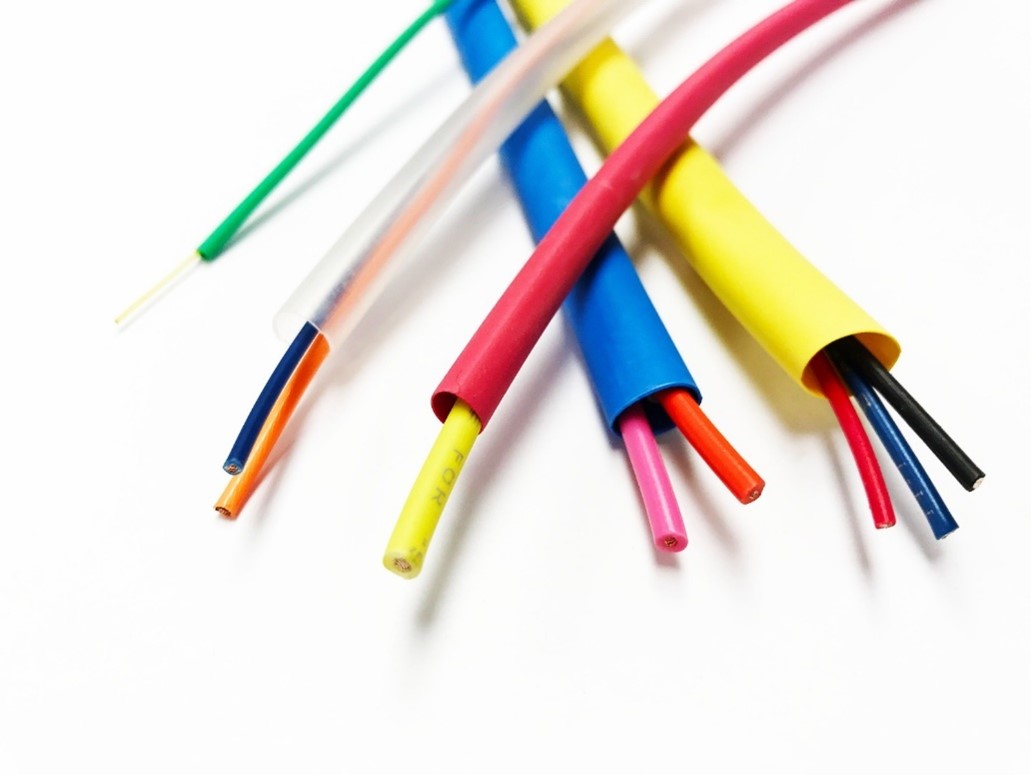
- Color Coding: Using different colors helps in identifying circuits (e.g., red for positive, black for ground, yellow for signal).
Having a kit on hand ensures that you don’t have to compromise by using a tube that is too loose, which would fail to provide the necessary mechanical grip and protection.
How to Use Heat Shrink Tubing Like a Pro
Achieving a professional finish requires more than just a lighter and some luck. Follow these steps to ensure a perfect seal every time:
- Select the Right Size: Choose tubing with an “expanded” diameter slightly larger than your connection and a “recovered” (shrunk) diameter smaller than the wire you are insulating.
- Cut to Length: Ensure the tube overlaps the existing wire insulation by at least 1/4 inch on both sides of the joint.
- Slide it On: Remember to slide the tubing onto the wire before you solder or crimp the connection!
- Apply Heat Evenly: Use a heat gun rather than a flame. Start from the center of the tube and move toward the ends to push out any trapped air.
- Inspect the Seal: Once cooled, the tubing should be tight and conform to the shape of the connection. If using adhesive-lined tubing, you should see a small bead of glue at the ends.
Applications Across Industries
The versatility of this material makes it indispensable in various fields:
- Automotive: Protecting sensors and aftermarket lighting from engine heat and road grime.
- Aerospace: High-performance polymers ensure connections stay secure despite extreme pressure changes and vibrations.
- Home Electronics: Repairing frayed charging cables (Apple Lightning or USB-C cables are classic candidates for heat shrink repair).
- Industrial: Labeling and bundling large cable harnesses for easy maintenance.
Conclusion: A Small Investment for Major Peace of Mind
In the world of electrical work, the difference between a job done and a job done right often comes down to the final layer of protection. Heat shrink tubing offers an unbeatable combination of insulation, strain relief, and environmental shielding.
By keeping a heat-shrink tubing kit in your workshop, you are prepared to handle any repair with professional results. Don’t leave your connections to chance—wrap them, shrink them, and protect them for the long haul.